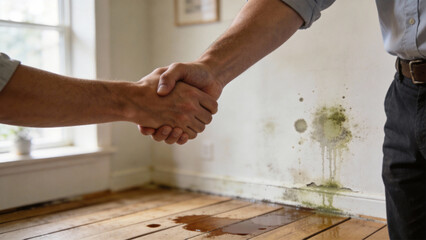
A few inches of water may not seem like a major problem at first, but the damage it leaves behind can persist long after the water is visible. What looks like a simple cleanup project can quickly become a costly repair if the wrong decisions are made during remediation. Many homeowners act with good intentions, but without the proper knowledge, they often make mistakes that allow moisture, mold, and structural damage to spread throughout the property.
Water Remediation Salt Lake City is more than drying wet surfaces or replacing damaged materials. It requires careful attention to hidden moisture, contaminated materials, and the overall condition of the property. Understanding the most common mistakes can help homeowners respond more effectively, reduce repair costs, and protect their homes from long term issues. Taking the right steps from the beginning can make the recovery process smoother and help restore the property safely and efficiently.
Waiting Too Long to Begin the Remediation Process
One of the most common mistakes homeowners make is delaying the cleanup after discovering water damage. Some people hope the water will dry naturally, while others wait until they have more time to deal with the problem. Unfortunately, water does not stop causing damage once the leak has ended. It continues to soak into walls, flooring, insulation, and furniture, making the damage worse with every passing hour.
The longer moisture remains inside a home, the greater the risk of mold growth and structural deterioration. Wood may begin to warp, drywall can weaken, and flooring materials may become permanently damaged. Even areas that appear dry on the surface may still contain trapped moisture beneath them. Acting quickly gives the best chance of saving building materials, reducing repair expenses, and preventing additional complications that could have been avoided with an immediate response.
Failing to Remove Hidden Moisture
Many homeowners assume that once standing water has been removed, the problem has been solved. While extracting visible water is an important first step, hidden moisture often remains inside walls, under flooring, behind cabinets, and within ceilings. These damp areas can continue causing damage long after surfaces appear completely dry. Ignoring hidden moisture creates an environment where mold and mildew can develop without being noticed.
Proper drying involves much more than opening windows or placing a few household fans around the room. Moisture trapped inside building materials often requires specialized drying methods to ensure that every affected area reaches safe moisture levels. Without thorough drying, repairs completed too soon may eventually fail because damp materials continue to deteriorate beneath newly installed surfaces. Identifying and eliminating hidden moisture is one of the most important parts of successful water damage remediation.
Overlooking Contaminated Materials
Not all water damage involves clean water. Water from overflowing drains, sewage backups, or flood events may contain harmful bacteria, chemicals, and other contaminants. A common mistake is assuming that every wet item can simply be cleaned and reused. In reality, certain materials absorb contaminated water and cannot be safely restored. Attempting to keep these items may create ongoing health concerns inside the home.
Porous materials such as insulation, carpeting, upholstered furniture, and drywall may require removal if they have been exposed to contaminated water. Even if these materials appear clean after drying, harmful microorganisms may still be present. Proper remediation includes evaluating which materials can be safely restored and which should be replaced. Making these decisions carefully helps protect indoor air quality and reduces the risk of future health problems.
Beginning Repairs Before the Property Is Completely Dry
After experiencing water damage, many homeowners want to restore their property as quickly as possible. While this is understandable, rushing into repairs before the structure has fully dried is another costly mistake. Installing new flooring, drywall, or paint over damp materials traps moisture inside the building. This hidden moisture may eventually cause mold growth, peeling paint, warped flooring, and unpleasant odors.
Allowing enough time for the drying process is essential before reconstruction begins. Moisture levels should return to acceptable ranges throughout the affected areas before repairs move forward. This careful approach ensures that replacement materials are installed onto stable and dry surfaces. Although waiting may feel frustrating, it helps prevent future repairs and provides a longer lasting restoration.
Ignoring Signs of Mold Growth
Mold can begin developing surprisingly quickly after water damage if moisture remains inside the property. Some homeowners assume that if mold is not immediately visible, it is not present. Unfortunately, mold often grows behind walls, beneath flooring, inside insulation, or in other concealed spaces where moisture remains trapped. By the time visible mold appears, it may already have spread extensively throughout the affected area.
Ignoring musty odors, discoloration, or persistent dampness allows mold to continue growing unnoticed. Once mold becomes established, it can spread through airborne spores and affect additional areas of the home. Addressing mold early helps protect both the property and indoor air quality. Careful inspection and complete moisture removal significantly reduce the likelihood of mold becoming a larger problem during the remediation process.
Assuming Insurance Covers Every Type of Water Damage
Many homeowners believe that every form of water damage is automatically covered by insurance. This misunderstanding can lead to unexpected financial stress when claims are reviewed. Insurance coverage often depends on the source of the water damage, the circumstances surrounding the event, and the details of the individual policy. Damage caused by sudden plumbing failures may be handled differently than damage resulting from long term neglect or gradual leaks.
Understanding insurance coverage before an emergency occurs allows homeowners to make informed decisions during the claims process. Keeping maintenance records, documenting damage with photographs, and responding promptly after discovering water damage may also support the claims process. Reviewing policy details regularly helps eliminate surprises and provides a better understanding of what protection is available if water damage occurs.
Focusing Only on Visible Damage
Visible water stains and damaged flooring naturally attract the most attention after a water incident. However, concentrating only on what can be seen often causes homeowners to overlook hidden problems. Water follows unexpected paths through walls, ceilings, insulation, and structural framing. Areas that appear untouched may actually contain significant moisture that continues causing damage behind finished surfaces.
A thorough inspection of the entire affected area is essential for identifying the full extent of the damage. Moisture can travel well beyond the original source, affecting adjacent rooms and concealed building materials. Addressing only the obvious damage may leave unseen moisture behind, increasing the risk of future repairs. Looking beyond surface damage ensures that remediation addresses the complete problem rather than only the symptoms.
Conclusion
Water damage remediation involves much more than removing standing water and replacing damaged materials. Avoiding common mistakes such as delaying cleanup, overlooking hidden moisture, ignoring mold, rushing repairs, and underestimating contamination can significantly improve the outcome of the recovery process. Every step plays an important role in protecting the home’s structure, maintaining indoor air quality, and preventing future problems. By responding quickly, allowing sufficient drying time, and addressing both visible and hidden damage, homeowners can reduce repair costs and restore their property with greater confidence after a water damage event.