When pests appear inside a home, many homeowners face the same question: should they handle the problem themselves or hire a professional pest control service? Hardware stores offer a wide range of sprays, traps, baits, and repellents that promise quick results, making do-it-yourself treatments seem like an affordable option. However, while DIY products may reduce visible pest activity, they often fail to eliminate the source of the infestation. Professional pest control takes a more comprehensive approach by identifying the type of pest, locating nesting areas, and implementing long-term prevention strategies. Understanding the differences between professional Port St Lucie Pest Control and DIY treatments helps homeowners choose the most effective solution for protecting their property.
How Do DIY Pest Control Treatments Work?
DIY pest control products are designed to help homeowners manage minor pest problems using readily available treatments. These products may include sprays, bait stations, sticky traps, powders, granules, or natural repellents that target specific insects or rodents. For isolated pest activity, they can sometimes reduce the number of visible pests and provide temporary relief. Many homeowners choose DIY methods because they are easy to purchase and can be applied immediately after discovering a problem. Convenience is one of their biggest advantages.
However, most DIY products focus on treating the pests that homeowners can see rather than addressing hidden nests or breeding areas. Ant colonies, cockroach harborages, rodent nests, and termite activity often remain concealed inside walls, crawl spaces, attics, or beneath flooring. Eliminating only the visible pests rarely solves the underlying infestation. Without identifying the source of the problem, pests frequently return after the initial treatment wears off. Temporary results may lead to repeated applications over time.
What Does Professional Pest Control Involve?
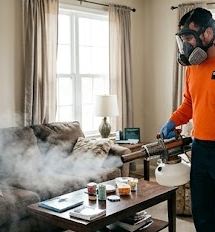
Professional pest control begins with a detailed inspection of the entire property rather than immediately applying treatment products. Technicians identify the pest species, evaluate the severity of the infestation, locate nesting sites, inspect potential entry points, and identify environmental conditions that encourage pest activity. This information allows them to develop a treatment plan specifically designed for the home’s unique situation. Accurate diagnosis greatly improves the effectiveness of the treatment. Every infestation requires an individualized approach.
Once the inspection is complete, professionals use a combination of treatment methods based on the type of pest involved. Depending on the circumstances, this may include targeted applications, bait systems, traps, exclusion techniques, monitoring devices, and preventative recommendations. Rather than focusing only on eliminating visible pests, professional treatment aims to prevent future infestations by addressing the conditions that allow pests to survive. Long-term prevention is a major advantage of professional pest management. Comprehensive treatment produces more dependable results.
Which Option Is More Effective for Long-Term Pest Control?
The effectiveness of any pest control solution depends largely on the size of the infestation and the type of pest involved. DIY treatments may successfully reduce isolated problems involving a few ants or occasional spiders, especially when the source of the infestation is easy to identify. Homeowners who respond quickly to very small pest problems sometimes achieve acceptable short-term results. Early action can prevent isolated issues from growing larger. Minor infestations may respond well to simple measures.
Larger or recurring infestations usually require a more comprehensive approach than DIY products can provide. Rodents, termites, bed bugs, cockroaches, and widespread ant colonies often remain hidden inside structural spaces where household treatments cannot easily reach. Professional inspections help locate these hidden populations while ensuring treatments target the entire infestation rather than only the symptoms. Addressing the root cause significantly improves long-term success. Professional pest control is generally more effective for persistent pest problems.
Is Professional Pest Control More Cost-Effective?
Many homeowners initially choose DIY treatments because they appear less expensive than hiring a professional. Purchasing a spray or trap often costs less than scheduling a service visit, making DIY solutions attractive for minor pest activity. However, repeated purchases of ineffective products can gradually become more expensive if the infestation continues returning. Temporary solutions may ultimately cost more when ongoing treatments fail to resolve the problem completely. Initial savings do not always translate into long-term value.
Professional pest control often provides better overall value because it focuses on solving the underlying cause of the infestation. Thorough inspections, targeted treatments, follow-up visits, and preventative recommendations reduce the likelihood of recurring pest problems. Preventing structural damage caused by termites, rodents, or other destructive pests may also help homeowners avoid expensive repairs later. Investing in effective treatment often reduces future costs. Long-term prevention contributes to greater financial value.
What Are the Safety Considerations?
Using pest control products correctly is important regardless of whether treatments are applied by homeowners or professionals. DIY products include instructions that should always be followed carefully to reduce unnecessary exposure and improve effectiveness. Applying excessive amounts of product or using treatments in the wrong locations may reduce their performance while increasing unnecessary risks. Careful application is essential for successful pest management. Reading product instructions thoroughly helps support safe use.
Professional pest control technicians are trained to evaluate each situation before selecting appropriate treatment methods. Their knowledge of pest behavior, product application techniques, and integrated pest management strategies allows treatments to be used more effectively while minimizing unnecessary applications. They also provide homeowners with recommendations regarding preparation and post-treatment care. Professional guidance helps ensure treatments are applied appropriately for the specific infestation. Expertise contributes to safer and more efficient pest management.
How Can Homeowners Help Prevent Future Pest Problems?
Regardless of the treatment method selected, prevention remains an essential part of successful pest control. Keeping kitchens clean, storing food in sealed containers, removing trash regularly, repairing plumbing leaks, and eliminating standing water all reduce the conditions that attract pests. Regular housekeeping supports both DIY and professional pest management programs. Good sanitation makes it more difficult for pests to establish themselves indoors. Everyday maintenance strengthens every treatment plan.
Exterior maintenance also plays an important role in pest prevention. Sealing cracks around foundations, windows, doors, and utility lines helps prevent pests from entering the home. Keeping landscaping trimmed away from the structure, cleaning gutters, and storing firewood away from exterior walls reduce potential nesting locations. Combining preventive maintenance with routine inspections creates stronger long-term protection. Prevention remains the most effective defense against recurring infestations.
When Should You Call a Professional?
While small pest problems may sometimes respond to DIY treatments, homeowners should consider professional assistance whenever infestations become recurring, widespread, or difficult to identify. Frequent pest sightings, rodent droppings, termite activity, cockroach infestations, bed bugs, or repeated treatment failures all suggest that a more comprehensive solution may be necessary. Professional inspections provide a clearer understanding of the problem before treatment begins. Early intervention often prevents larger infestations from developing.
Professional pest control is also valuable when homeowners want ongoing protection rather than simply responding to individual pest problems as they arise. Routine inspections help identify developing infestations before they become noticeable while supporting year-round prevention. This proactive approach reduces stress and helps maintain a healthier living environment. Long-term pest management often provides greater peace of mind than temporary treatments alone. Consistent professional service supports lasting results.
Final Thoughts
Whether professional pest control is better than DIY treatments depends on the type of pest and the severity of the infestation. DIY products may offer temporary relief for small, isolated problems, but they often fail to eliminate hidden nests or address the conditions that allow pests to return. Professional pest control combines detailed inspections, targeted treatments, preventative strategies, and ongoing monitoring to provide more reliable long-term protection. By understanding the strengths and limitations of each approach, homeowners can choose the solution that best protects their property, reduces future pest problems, and creates a cleaner, healthier living environment.